A Bucharest City Break Built Around Therme: Spa Day, Old Town and the Food
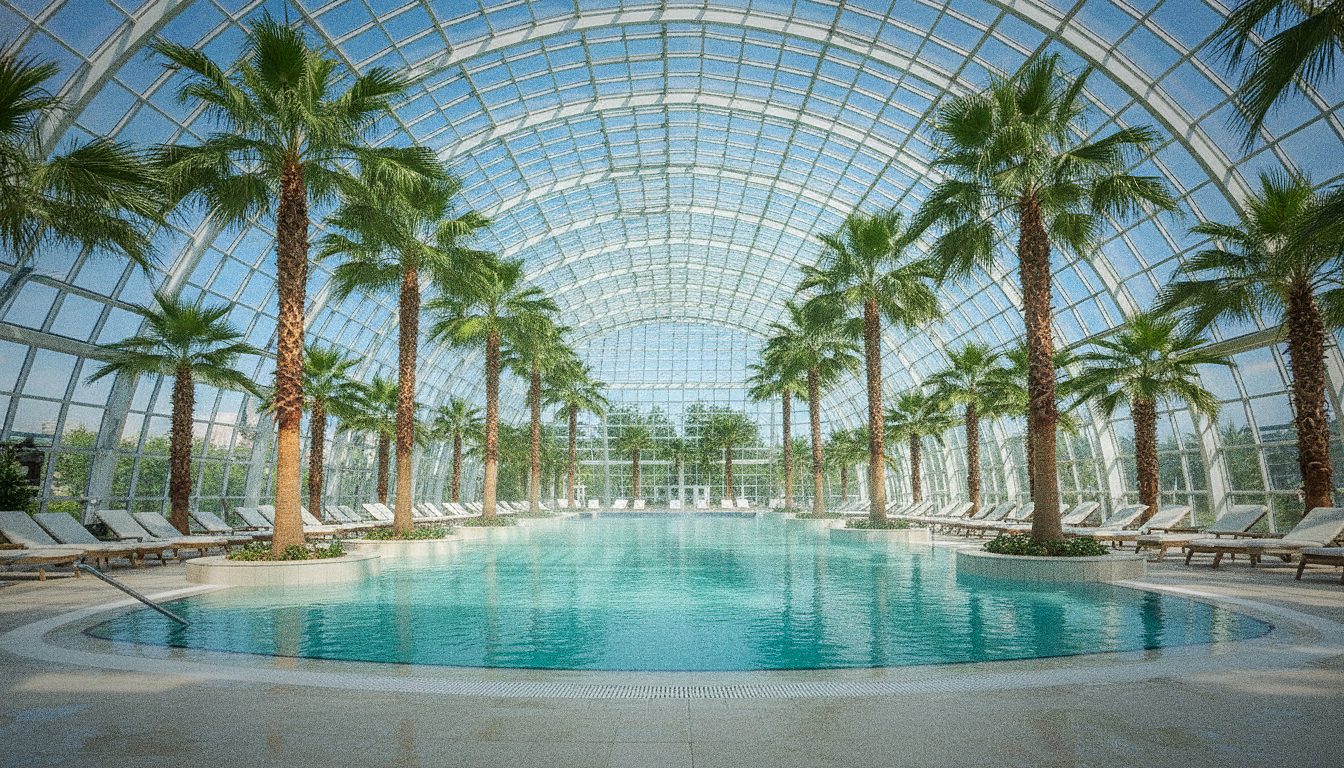
Bucharest has quietly become one of the better-value city breaks in Europe, and the thing that tips a long weekend there from good to memorable is half an hour north of the city: Therme, the largest indoor thermal complex on the continent, a glass dome with ten thermal pools, sixteen slides, eight hundred palm trees and a dozen saunas, open every day of the year. This is how we built three days around it, with the food that Bucharest does well on either side.
Day one: arrive, eat, walk
Most flights land at Otopeni in the afternoon. Drop the bags, then head for the old town, Lipscani, for a first dinner: the big beer halls do the classics, sarmale cabbage rolls, mici grilled meat rolls with mustard, and a soup called ciorbă that comes sour by design. Walk it off along Calea Victoriei to the Athenaeum. An early night is the point: day two starts in warm water.
Day two: Therme
Go on a weekday if you can. Therme sits at Balotești, 20 kilometres north; the dedicated shuttle leaves Piața Romană several times a day, a taxi or Bolt takes 30-40 minutes, and there is a ticket with the transfer included that fixes the return as well. The complex has three zones: Galaxy is the water park, open to all; The Palm is the tropical garden with the thermal pools, for ages fourteen and over; Elysium is the sauna world. For a couple or a group of friends the full-day ticket with all zones is the one to take, and the plan that works is Elysium in the morning, lunch inside, The Palm from mid-afternoon until the evening, when it empties out. The English guide at Therme Bucharest explains the zones and the age rules; its Therme Bucharest tickets page compares the timed passes with the full day and links to booking with free cancellation, which on a weekend is the difference between walking in and queueing for forty minutes.
Bring swimwear, flip-flops and a towel; robes can be hired and are worth it for the saunas. The wristband you get at the door opens your locker and pays for food and drink, settled at the exit. In winter the water stays at 33 degrees while snow lies on the glass, which is the version of Therme that ends up on everyone's phone.
Day three: the market and the rest of the city
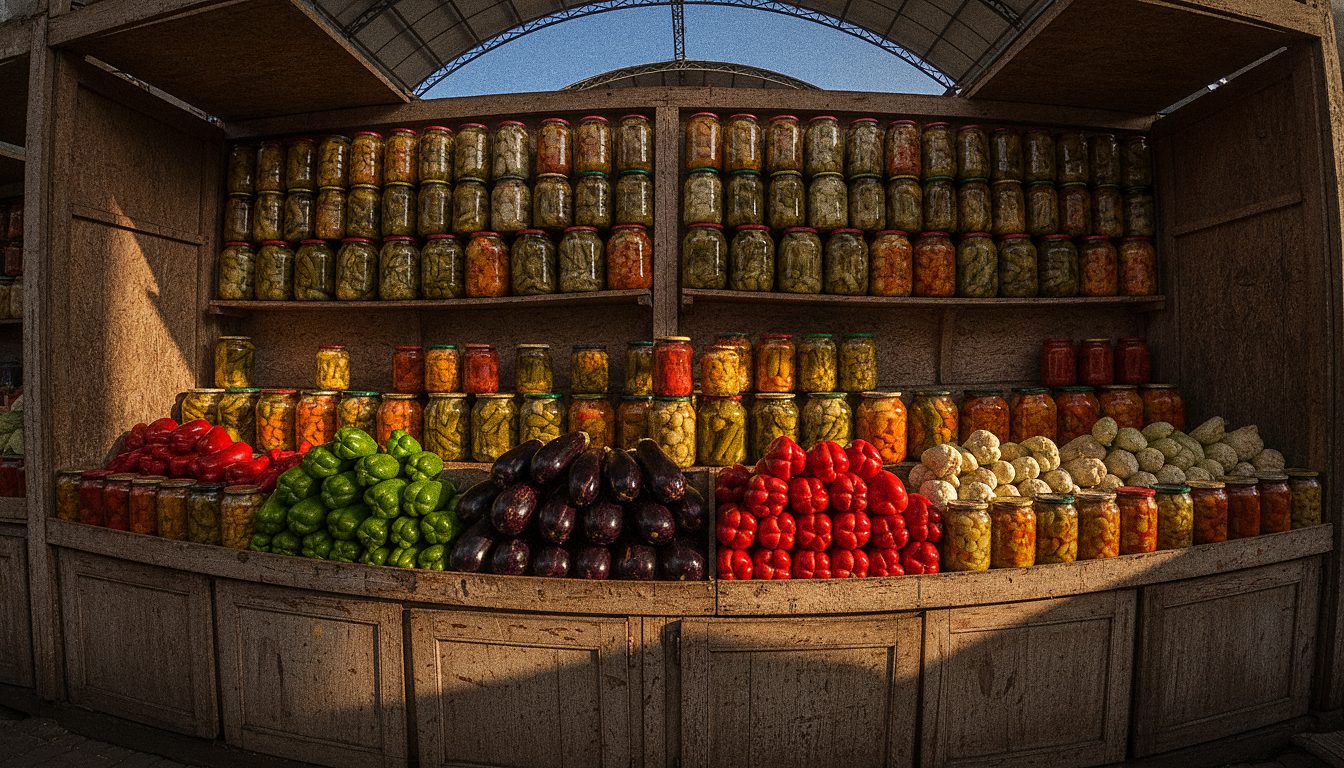
Obor market in the morning is the food half of the trip: a covered hall and open yards piled with peppers, aubergines, cheeses and jars of pickles, with grills at the edge selling mici from early on. From there the metro reaches the Palace of Parliament for the tour, and the afternoon goes to the Village Museum in Herăstrău park or back to Lipscani for a last meal. The airport is twenty minutes from the north of the city, which is why some visitors swap days two and three and go to Therme on the way to the flight.
Practical notes
- Therme opens Monday to Thursday 10:00-23:00, Friday and Saturday 9:00-24:00, Sunday 9:00-23:00; last entry an hour and a half before closing.
- Under-14s are limited to the Galaxy zone with an adult; ID is checked for The Palm and Elysium.
- Saturday afternoon is the busiest time of the week; weekday mornings the quietest.
- Cards are accepted everywhere; the lei you need are for market stalls and the shuttle.
Why this break works
Because it has a shape: a food city on either side of a day that is nothing but warm water and palm trees, in a place that costs a fraction of its western equivalents. Our pages on food festivals and city breaks and on building a trip around a single landmark cover the thinking behind trips planned this way.