Car Hire at Olbia Airport: A Practical Sardinia Road-Trip Guide
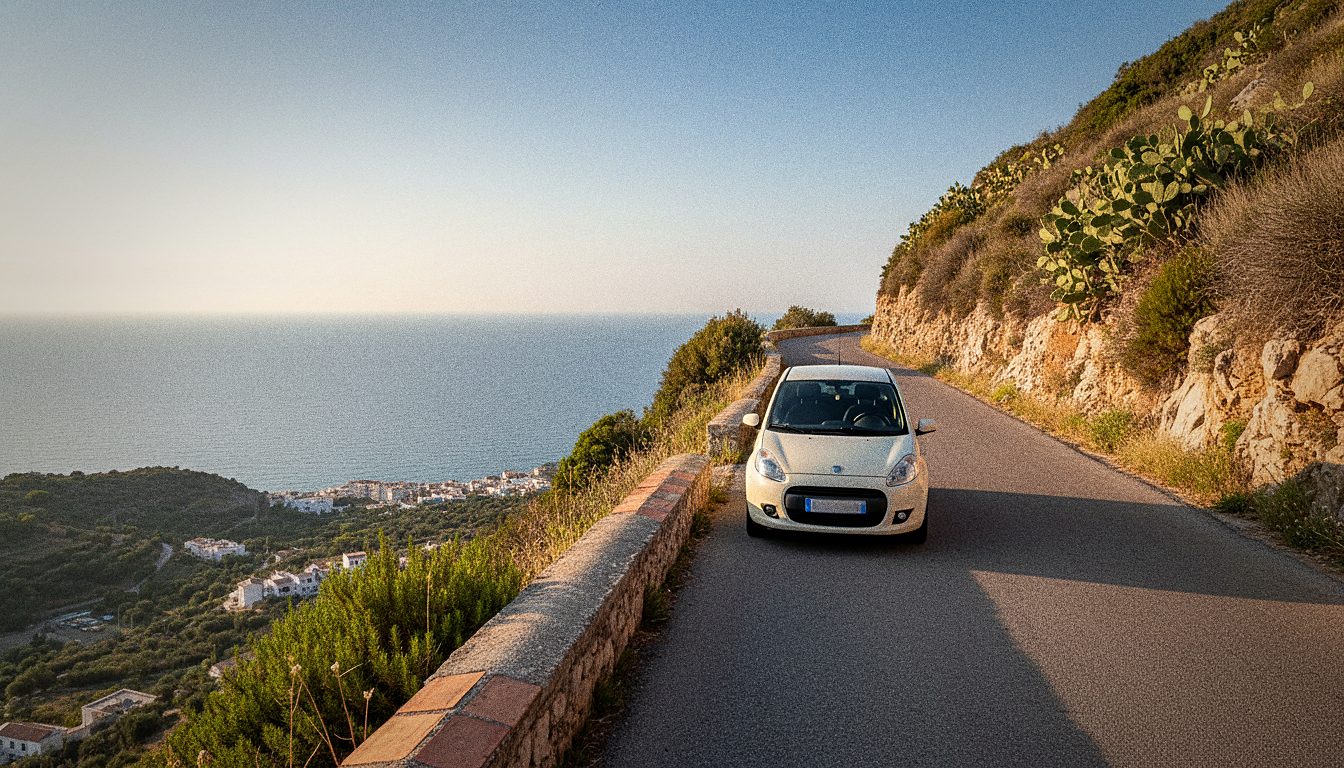
Renting a car for a Sardinia trip is a slightly different exercise than renting one in a major mainland city, and the difference shows up mostly in three places: how far ahead you need to book, what kind of car actually makes sense on the island's roads, and how the insurance conversation at the counter tends to go.
Book earlier than feels necessary
Olbia's airport rental counters run a much smaller combined fleet than a big-city airport does. That's fine most of the year, but through the summer season it means popular car classes sell out weeks ahead, not days — and a counter's response to a no-availability situation is usually "we can offer you what's left," which is rarely the car you actually wanted. Booking a month or more ahead, rather than the week-before habit that works fine in a mainland city, avoids most of this entirely.
Which months actually matter
Demand isn't evenly spread across the year. July and August are the tightest months by a wide margin, driven by both mainland Italian and wider European summer travel into Sardinia; shoulder months like May, June and September are noticeably easier for both availability and price, while winter is rarely a booking problem at all.
Match the car to the roads, not the photos
Coastal roads on Sardinia are narrower and hillier than they look in listing photos, and a bigger car that felt comfortable to book online can feel considerably less comfortable on a switchback above the coastline. A smaller, lower car is usually the better call unless you specifically need the boot space — it's easier to place on a narrow road and easier to park in towns where "parking" sometimes just means the widest bit of curb.
- Small/compact class — the default recommendation unless you're carrying real luggage for four-plus people
- Mid-size — only worth it if boot space genuinely matters more than manoeuvrability on narrow coastal roads
- Automatic transmission — worth specifying explicitly if it matters to you; manual is still the more commonly available default across the island
Beyond Olbia itself
Olbia is the main gateway for the north-east of the island and the Costa Smeralda specifically, but it's not the only option — Cagliari in the south and Alghero in the north-west serve the rest of Sardinia, and picking the wrong one relative to where you're actually staying can add a couple of hours of driving before the holiday even starts — worth checking against a map before booking flights, not just against the cheapest fare. A one-way rental, picking up at one airport and dropping at another, is usually possible but carries its own drop-off fee and is worth pricing separately rather than assuming it costs the same as a round-trip rental from a single airport.
Worth knowing: fuel stations on Sardinia's smaller roads close earlier and are spaced further apart than on the mainland — filling up in a larger town before heading into the coastal or inland back roads avoids an unnecessary detour later in the day.
What driving on the island is actually like
The SS131 running down the middle of the island is the closest thing Sardinia has to a fast, straightforward road, and it's genuinely useful for covering distance quickly between the north and south. Away from it, roads narrow fast — single-lane coastal stretches, hairpin sections through the inland hill towns, and a general assumption among local drivers that a car will move over rather than the road widening for it. None of this is dangerous with a reasonably attentive driver, but it's a slower kind of driving than a rental car booked for a mainland city trip usually needs to handle, and it's part of why the smaller-car recommendation above matters more here than it would elsewhere.
Read the deposit and insurance terms before you land
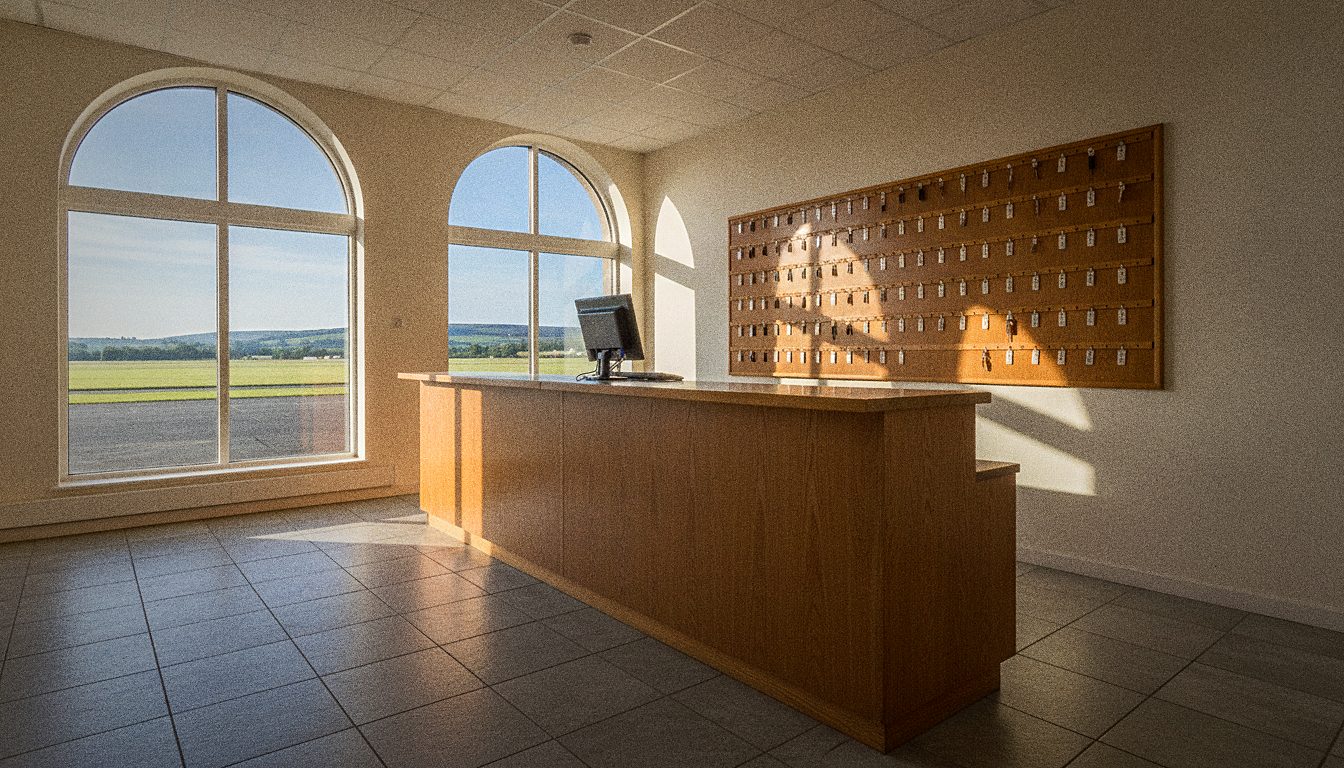
The headline rental price on an island counter is rarely the full story — a security deposit hold, an excess/insurance upsell at the desk, and sometimes a young-driver surcharge can all show up after the fact. None of this is unusual, but reading the terms before you arrive, rather than at the counter with a queue behind you, means you're deciding with a clear head rather than under time pressure.
Sardinia is a good example of where this all matters directly — checking carhireolbia-airport.co.uk for the deposit and insurance terms before landing saves the awkward counter conversation entirely, particularly if a no-deposit option is what you're actually after.
| What to check before booking | Why it matters |
|---|---|
| Security deposit amount and hold method | Some counters only accept a credit card hold, not a debit card, for the deposit |
| Excess/insurance upsell at the counter | Often avoidable by arranging cover in advance instead |
| Young or new-driver surcharge | Not universal, but common enough to check before you travel rather than after |
Beyond the airport counter
If a rental car is only one piece of a bigger festival-and-landmark itinerary, it's worth reading through how a whole festival-season travel calendar fits together before you lock in your route, and if Sardinia's own food scene is part of the draw, our notes on combining a food festival with a longer city break cover how that piece of a trip tends to work best. More generally, our guide to renting a car for an island or coastal trip covers how Sardinia's booking timeline and road conditions compare to other coastal regions, not just this one.
What's usually included, and what usually isn't
- Basic third-party liability — included by law, but rarely enough cover on its own for peace of mind
- Collision damage waiver — often included at a higher excess than most drivers expect, which is exactly what a separate excess-reduction policy is for
- A second driver — almost never included by default, and usually a flat additional fee rather than a percentage of the rental cost
- Cross-border or ferry travel to the Italian mainland — not assumed by most Sardinia-based rentals, and worth confirming explicitly if the trip includes it
- Additional off-road or unpaved-track cover — relevant if the plan includes any of Sardinia's inland dirt roads, and usually not covered by a standard policy
- Roadside assistance — often included as standard, but worth confirming the response area covers the more remote parts of the island, not just the towns near the airport