Visiting the Colosseum in Rome: A Practical First-Timer's Guide
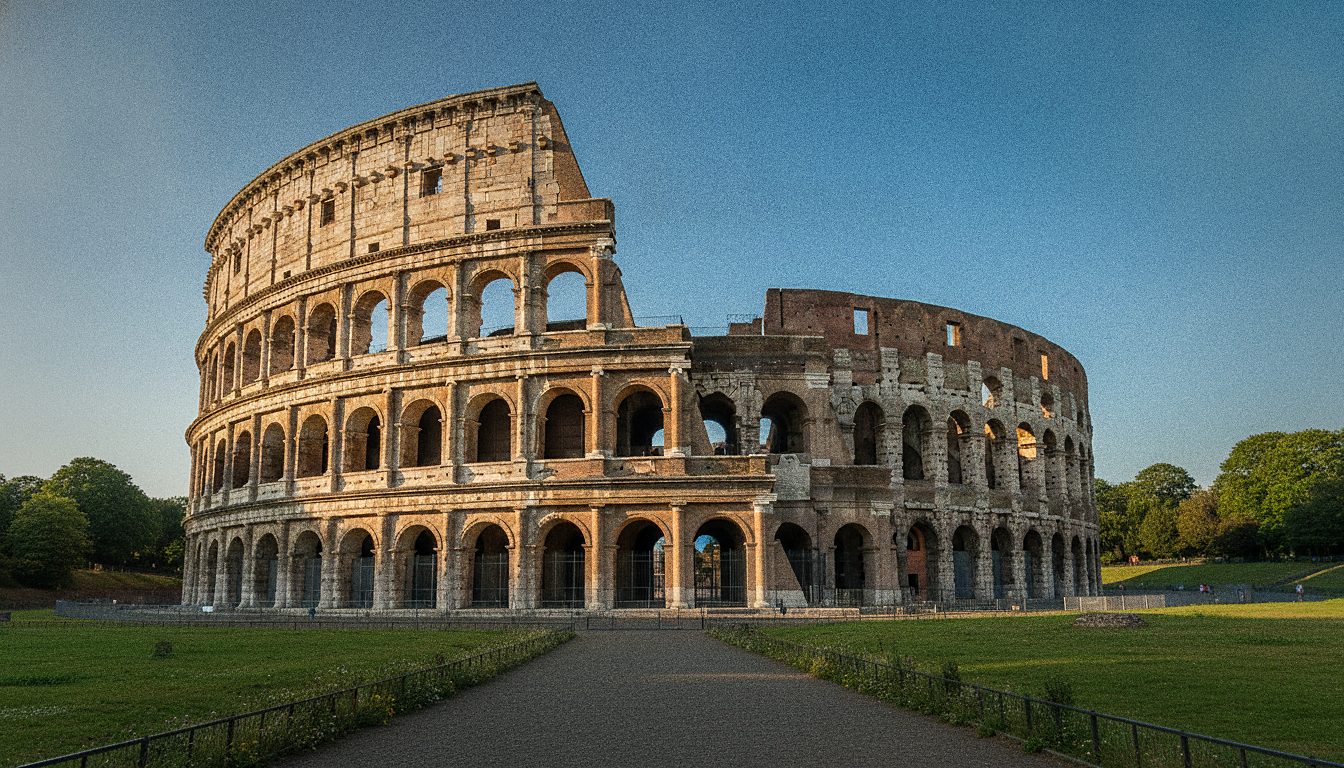
The Colosseum is not remote or capacity-limited the way a site like the Caminito del Rey is — it's the opposite kind of landmark, so heavily visited that showing up without any plan at all usually means losing half a morning to a line rather than missing out entirely.
Why the lines form in the first place
Rome doesn't lack for entrances or ticket windows around the Colosseum, but volume is the issue, not access: it's one of the most visited sites in Europe, and the walk-up queue at the main entrance regularly stretches well over an hour during the middle of the day in the busier months. The queue itself isn't really for tickets anymore — it's a security and entry-management queue — which is exactly why booking a specific time slot in advance, rather than turning up and buying on the spot, changes the experience so much.
What standing inside it actually changes
It's worth saying plainly: the Colosseum is simply worth the time, beyond the logistics of getting in. Standing inside it, rather than photographing the exterior from the street, changes how the rest of the city reads afterward — the scale of it from ground level inside is genuinely different from the postcard view. Booking ahead is less about scarcity, the way it is at the Caminito, and more about not wasting a vacation morning standing in the sun for something that takes ten minutes with a timed slot.
Getting there and the best time of day
The Colosseum sits right in central Rome, well served by metro (Colosseo station on Line B) and within walking distance of the Forum and Palatine Hill, so getting there is rarely the hard part of the day — timing is. Early morning, right at opening, and the last couple of hours before closing are consistently the quietest windows; the stretch from mid-morning through mid-afternoon is when both the queue and the crowd inside peak, especially from late spring through early autumn.
Photography is allowed throughout the main site, though tripods and any kind of professional setup generally aren't without separate permission arranged in advance. Etiquette-wise, the same rules that apply to any major religious or historic site in Rome apply here too — shoulders and knees covered is a sensible default, even though the Colosseum itself is less strict about it than a church would be.
If it's your only day in Rome
The Colosseum, Forum and Palatine Hill together are a genuinely full day on their own, and trying to bolt on the Vatican or a full old-town walking tour in the same day usually means rushing all of it. If a single Rome day has to cover this landmark cluster and nothing else, planning for roughly half a day here — more if the underground and arena floor are both included — and using the rest of the day for something lighter nearby, like a walk through the surrounding neighbourhood and a proper sit-down lunch, tends to make for a better day than trying to also fit in a second major site across the city.
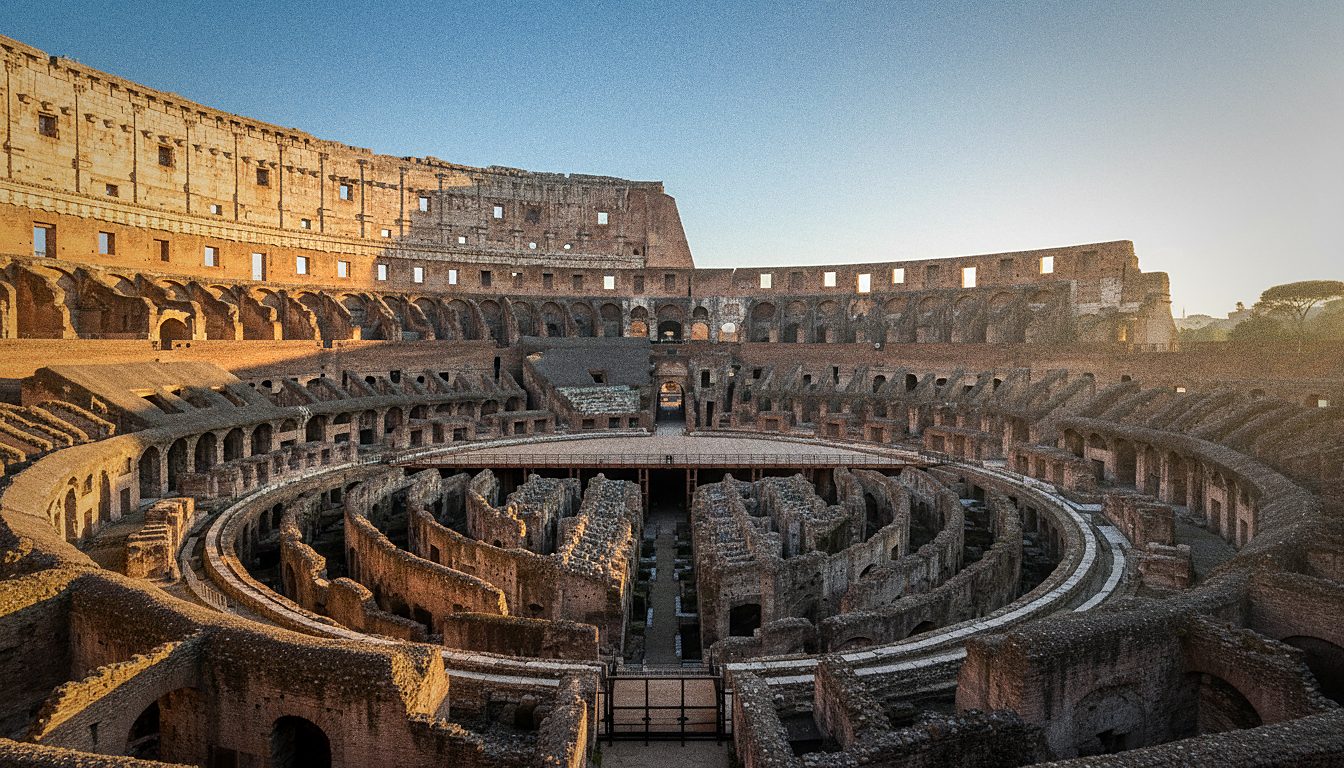
What's actually inside
- The main arena level, which is what most standard tickets cover
- The arena floor itself, on tickets that specifically include it — a reconstructed section that gives a very different sense of scale than the amphitheatre-bowl view
- The underground chambers below the arena floor, where animals and performers were staged, on tickets or tours that include underground access specifically
- The Roman Forum and Palatine Hill, which most Colosseum tickets bundle in as a combined site
The underground and arena-floor sections are worth deciding on before booking, not after — they're not always included by default, and adding them at the gate usually isn't possible the way it is with a standard upgrade elsewhere. Underground tours in particular tend to run in small, guided groups on a separate schedule from general entry, which is part of why they're worth locking in specifically rather than assuming a standard ticket covers everything inside the walls.
Worth knowing: the Forum and Palatine Hill entry is usually valid for a separate time window from the Colosseum itself, even on a combined ticket — worth checking the specific validity window rather than assuming it's one continuous visit.
Booking without losing a morning to it
Booking ahead is less about scarcity and more about not wasting a travel day standing in the sun — a look at Colosseum tickets a few days before a Rome trip is usually enough to lock in a specific entry window and skip most of the walk-up queue entirely. Early morning and late afternoon slots also tend to be noticeably less crowded than the middle of the day, independent of the queue question.
| Ticket type | What it covers |
|---|---|
| Standard | Amphitheatre level, plus Forum and Palatine Hill |
| Arena floor | Adds access to the reconstructed arena floor itself |
| Underground / full experience | Adds the underground chambers, usually as a guided add-on |
Making it part of a bigger trip
Neither the Colosseum nor a landmark like the Caminito del Rey needs to anchor a whole itinerary alone — pairing a landmark day with something lighter, like a regional food event, is a reasonable way to break up a few days of heavy sightseeing. We've written more on combining food festivals with a European city break if that's the kind of trip you're building around a Rome stop.
Quick answers to what first-timers ask most
- Is one visit enough to see everything? For the standard ticket, yes — a couple of hours covers the amphitheatre, Forum and Palatine Hill comfortably.
- Does the ticket expire the same day? Combined Forum/Palatine tickets are typically valid within a set window of days for that portion, but the Colosseum entry itself is tied to the booked time slot.
- Is it worth paying extra for arena floor or underground access? If the budget allows it, yes — both give a meaningfully different perspective than the standard level alone, and neither can be added on the day.
- Is there a dress code? Nothing formal, but shoulders and knees covered is a sensible default, the same as at most historic sites in the city.