Combining a Food Festival with a Longer European City Break Trip
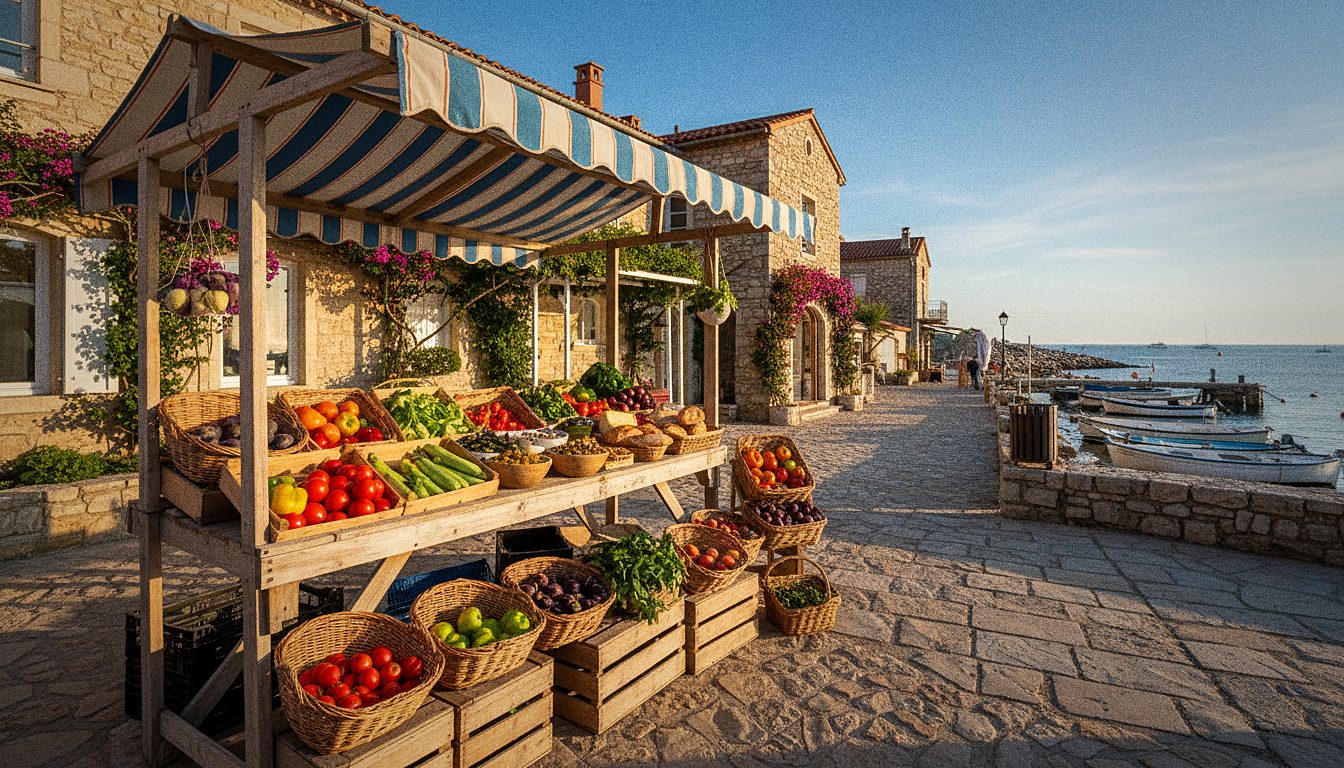
A food festival makes a surprisingly good anchor for a longer trip, and it's a little underused as a planning strategy compared to just picking a city and working backward. The festival gives you a fixed date and a reason to be somewhere specific; everything else can be built around that instead of the other way round.
Don't treat the festival as the whole trip
The trick is not treating the festival itself as the whole itinerary. A single afternoon of oysters, wine, or whatever the local specialty happens to be is wonderful, but it leaves a lot of a trip unaccounted for — and cramming sightseeing into the same day the festival runs usually means doing neither properly. Building in two or three extra days on either side, for the actual city or region, tends to make for a much better trip overall.
Worth knowing: a food festival's fixed date is usually public well over a year ahead — checking it before booking flights, rather than after, is what actually makes this planning approach work.
Matching the festival to the season, not the other way round
Food festivals cluster heavily by season for the obvious reason: they follow harvests, catches and growing periods, not a marketing calendar. A wine festival sits in early autumn almost everywhere it happens; a seafood or oyster festival tends to follow whenever the local season is properly underway, which shifts a few weeks either side of autumn depending on the coastline; spring festivals lean toward the first produce of the year rather than anything preserved through winter. Picking the region around the season, instead of picking a season around a region you already wanted to visit, tends to produce a noticeably better trip — the food is better, the local mood is better, and the surrounding towns are usually gearing up for it rather than treating it as one event among many.
A rough seasonal spread across Europe
| Season | What tends to be running |
|---|---|
| Spring | First-produce and early-harvest festivals; asparagus, early cheese, first wine releases in some regions |
| Summer | Coastal and street-food festivals, generally the busiest and most tourist-facing season |
| Autumn | Wine, oyster and seafood, and harvest festivals — the densest cluster of the year in most of Europe |
| Winter | Fewer outdoor festivals overall; markets and indoor food events fill the gap |
Sardinia is a good working template
Sardinia's food scene, in particular, pairs naturally with this kind of trip — local festivals through the warmer months, a coastline worth exploring properly rather than from a bus window, and towns small enough that a rental car does more good than a fixed base in one city. If a Sardinian food event ends up on the itinerary, our separate guide to car hire at Olbia Airport covers the practical side of arranging transport for the island, since that piece of planning tends to matter more here than it does for a single-city break.
What tends to work well as a pairing
- A regional food festival with a fixed date, as the anchor
- Two or three days either side for the surrounding towns or coastline
- A rental car, if the region is coastal or island-based rather than a single dense city
- At least one day with genuinely nothing booked, for whatever turns out to be worth lingering over
Budgeting for the trip, not just the festival
The festival day itself is usually the cheapest part of a trip like this — food and drink at a festival rarely costs more than a normal meal out, even accounting for the novelty pricing some stalls lean into. The real cost sits in the days built around it: accommodation for the extra nights, the rental car, and any landmark stops folded into the same trip. Budgeting the whole trip as one number, rather than treating the festival day as free because it's the reason for travelling, avoids the surprise of a "cheap festival trip" turning into a normal-priced week once everything else is added up.
Solo, as a couple, or as a group
The same festival-anchored approach scales differently depending on who's travelling. A solo trip has the most flexibility on timing and pace but usually pays a single-occupancy premium on accommodation; a couple splits costs more evenly and can move quickly if plans change; a group trip gets the best per-person rate on a rental car and larger accommodation but needs the festival date locked in earlier, since coordinating several people's availability is the actual bottleneck rather than the trip itself — a group of four or five agreeing on dates six months out is a much easier conversation than the same group trying to agree six weeks out.
This kind of layered planning shows up everywhere on this site
This kind of layered planning — anchor event, then everything built around it — is basically the same approach behind the festival this whole site is named for. Our own guide to the Hillsborough Oyster Festival works the same way: treat the festival as the fixed point on the calendar, and build the rest of the weekend around it rather than the reverse.
Doing this more than once a year
Once this approach works for one trip, it tends to get repeated — a spring festival anchoring one trip, an autumn one anchoring another, with landmark stops filled in around both. At that point it stops being a single trip's planning trick and becomes closer to a season-long calendar, which is worth treating as its own separate exercise rather than re-deriving the same logic from scratch each time a new festival catches your eye.
| Trip type | How the festival fits in |
|---|---|
| Single-city break | Festival becomes one day inside a normal city-trip itinerary |
| Coastal/island trip | Festival becomes the anchor date; car rental and lodging get planned around it |
| Multi-stop season | Festival is one of several fixed dates across a wider travel calendar |
If you're the type who plans a whole season this way rather than one trip at a time, our notes on planning a festival-season travel calendar are worth reading before you book anything else this year.