Caminito del Rey Tickets: What First-Time Visitors Should Know
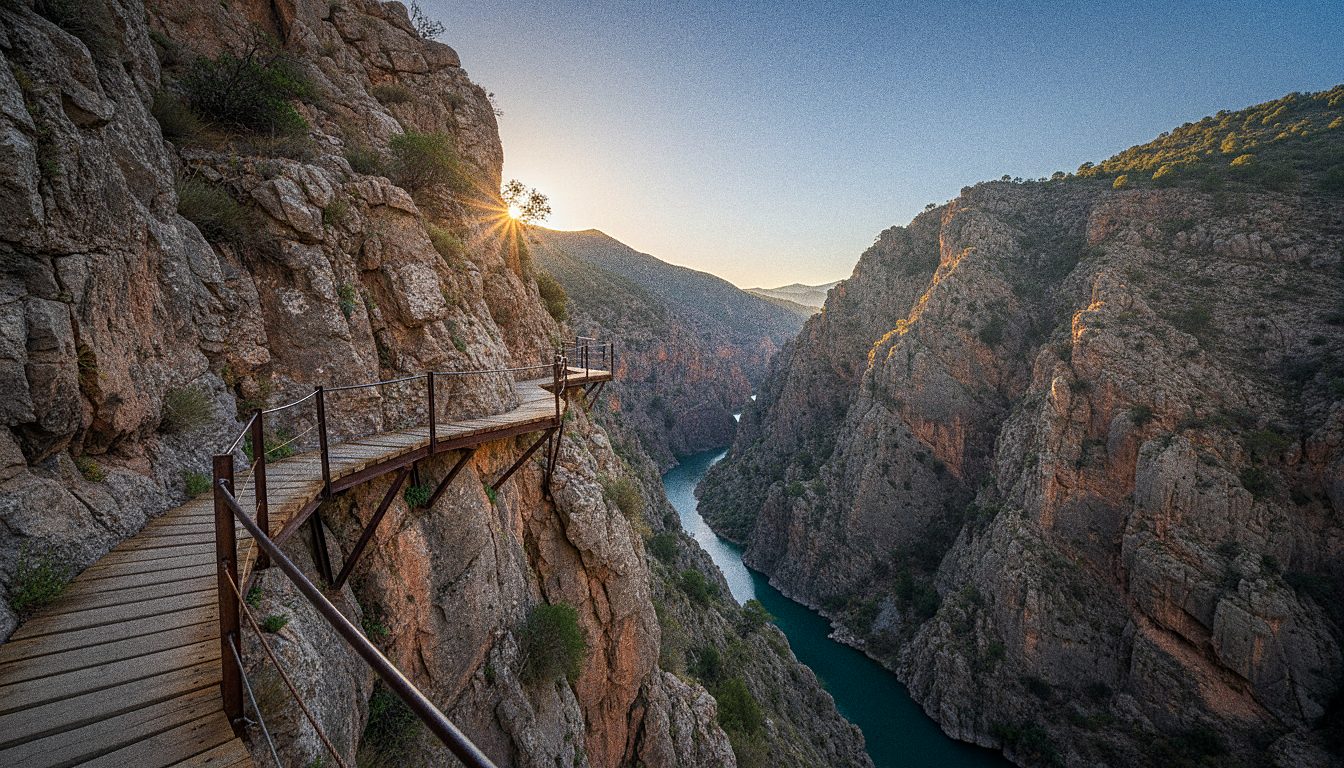
Most European trips get built around a city — a few days in Rome, a few in Barcelona, maybe a coastal stop tacked on at the end. The Caminito del Rey, in the mountains north of Málaga, is one of a small number of sites strong enough on their own to flip that around and justify building an entire trip around a single walkway.
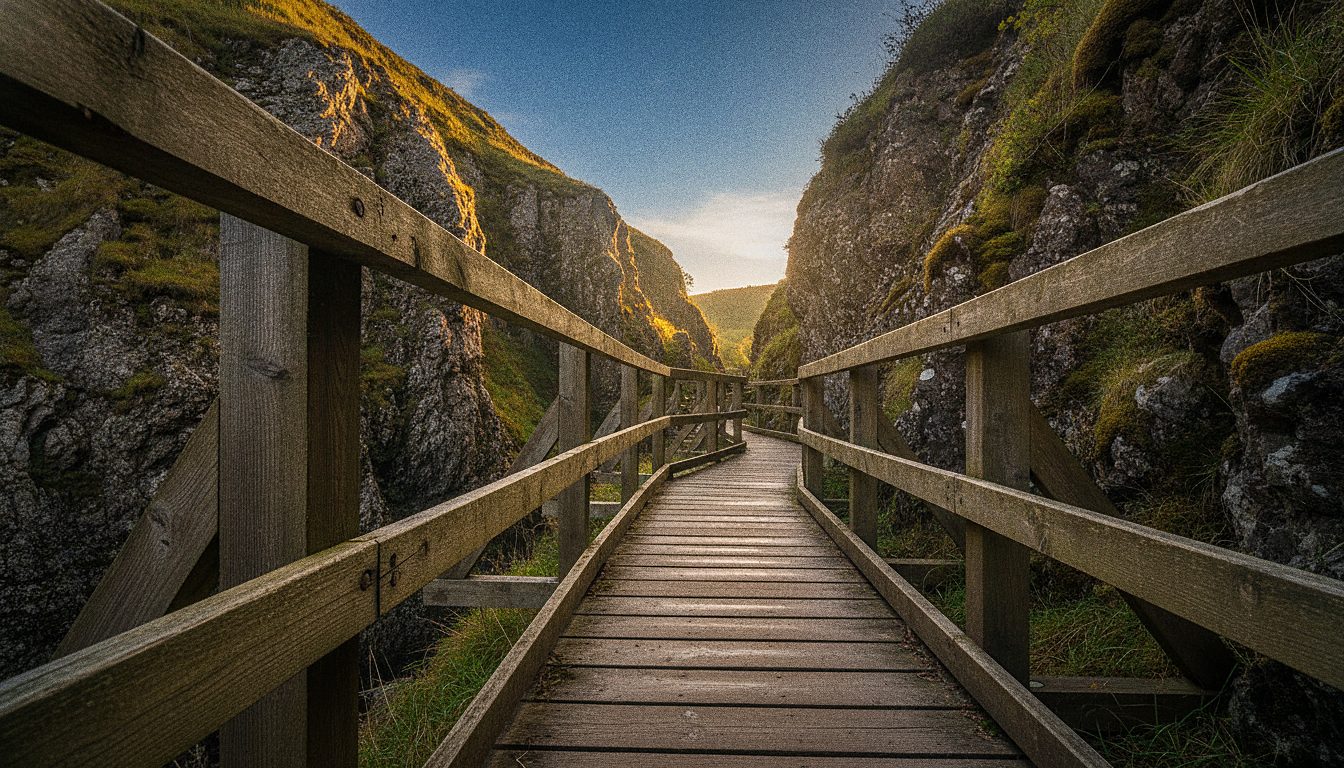
What it actually is
The Caminito del Rey is a boardwalk bolted into the side of a gorge — a few feet wide in places, around a hundred metres above the river below, closed for over a decade after a series of fatal accidents in the early 2000s before being rebuilt and reopened with proper railings and a capped, timed-entry system. It is not a casual stroll: the full route, including the approach paths on either end, takes a few hours round trip, and there is no way to shorten it once you're on the gorge section itself.
Why it's capacity-limited, and why that's the whole point
Access is timed and capped by design, not by accident — the rebuilt walkway can only safely hold so many people at once, and the site's operators have kept it that way rather than expanding capacity over the years. That controlled access is actually part of what makes the Caminito worth planning around specifically: you are not going to stumble into it on a half-day detour from the coast the way you might a cathedral or a market square. It rewards being the centrepiece of a day, not an add-on to one.
What a visit actually involves
- A shuttle bus connects the car parks to the entrance points, since the two ends of the route are not close to each other
- Closed shoes are effectively mandatory — the boardwalk surface and the approach paths are not sandal-friendly
- There is very little shade for most of the walkway, so a summer midday slot is a genuinely different experience from an early morning one
- Heights matter more here than at most attractions marketed as family-friendly — the railings are solid, but the drop is constantly visible
Worth knowing: the two entrances aren't interchangeable on the day — most bookings are tied to a specific starting point and direction, so it's worth deciding which end you're starting from before you book, not after.
Booking without getting caught out
This is the part that catches first-time visitors most often: because entry is capped, popular dates — especially weekends through the spring and summer — can sell out days or weeks ahead, not the day before the way most attractions work. That controlled access is why it's worth checking Caminito del Rey well before you fix the rest of your itinerary around a specific date, rather than assuming a walk-up slot will still be there.
The same English guide has sister editions for visitors coming from further east: a Czech one at caminitodelrey.cz and a Romanian one at caminitodelrey.ro, both with the same ticket calendar and the practical notes on the shuttle bus between the two ends of the walk.
The flip side is that cancellations do happen, and a date that looked sold out a month out sometimes opens back up closer to the day, so it's rarely worth abandoning a trip plan purely because the first date you checked was unavailable — it's worth checking again a few days before travelling if your first attempt came up empty.
| Entry point | What it means for the visit |
|---|---|
| North entrance (Ardales) | The more common starting point; closer to most of the shuttle bus routes |
| South entrance (El Chorro) | The other end of the route; usually paired with a return shuttle back to the start |
| Guided vs. self-guided | Both exist as options; a guide adds context on the gorge's history but isn't required to walk the route safely |
Getting there from Málaga
Neither entrance sits close to Málaga itself — the walkway is up in the mountains north of the city, and most visitors either drive out (with the shuttle bus handling the last leg between car park and entrance) or join an organised transport option that bundles the return journey in with the ticket. Public transport exists but involves at least one change and a longer overall journey than most visitors expect for what looks, on a map, like a fairly short distance from the coast.
Driving yourself gives the most flexibility on timing but means factoring in the return trip after what's already a multi-hour round-trip walk — not something to plan directly after a long travel day if it can be avoided. For anyone without a rental car already arranged, this is one of the few days on a Costa del Sol trip where an organised transport package genuinely simplifies the logistics rather than just adding cost.
Safety and fitness realities
The rebuilt walkway is genuinely safe in the sense that matters — solid railings, a maintained surface, and a capped number of people on the route at once so it never feels crowded in a way that would be dangerous near a drop. It is not, however, a gentle walk: the approach paths on both ends involve real elevation change before the boardwalk section even starts, the full route takes several hours, and there's minimal opportunity to turn back partway through once you're committed to a direction. Anyone with a fear of heights that goes beyond ordinary nervousness should think carefully before booking — the exposure is constant and the railings, while solid, don't change how visible the drop is the entire way across.
Best time of year to go
Spring and autumn are generally the most comfortable months — enough daylight for the full route, without the exposed sections turning into a genuinely hot walk the way they can in mid-summer. There's very little shade on the gorge section itself, so a summer visit is a different physical experience from a spring one even though the route and the views are identical. Winter visits are possible and less crowded, but shorter daylight hours mean an earlier start matters more than it does the rest of the year.
Pairing it with the rest of a trip
The Caminito doesn't need to anchor a whole itinerary by itself — pairing a landmark day like this with something lighter, or with another single-site landmark trip elsewhere in Europe, is a reasonable way to break up a few days of heavy sightseeing. We've written more on visiting the Colosseum in Rome if a second landmark stop is part of the plan, and our notes on building a festival-season travel calendar cover how a trip like this fits into a busier year of travel. More generally, our piece on when a single landmark is worth building a whole trip around covers the planning logic behind sites like this one in more depth.